
Good Science
Proxima’s Blog
We are nerds at heart. Check out our blog to explore our expertise and recent findings!
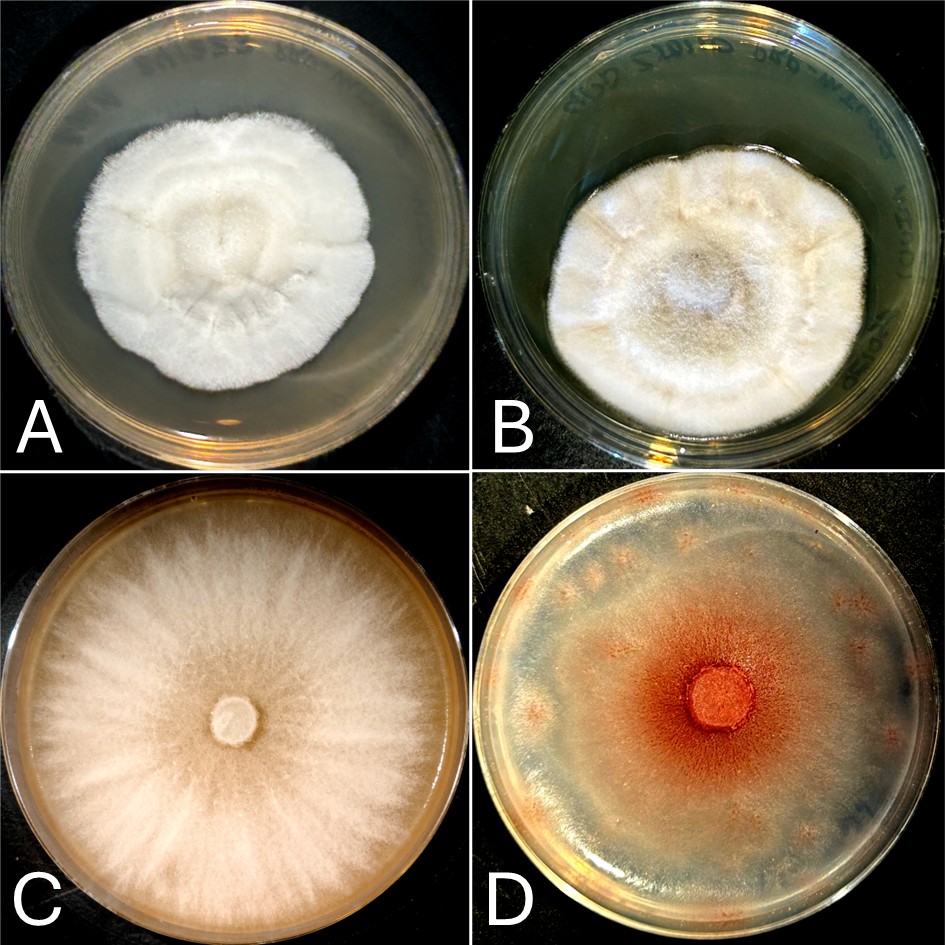
Masquerading molds – The importance of genotyping for fungal identification
We all know that we can’t trust everything we see online. But fungi have been faking their appearance since long before the internet. Microorganisms, and other living things, can be identified and characterized based on two attributes, their genotype and their phenotype. When reporting a phenotypic description, we are reporting observable characteristics of the organism…
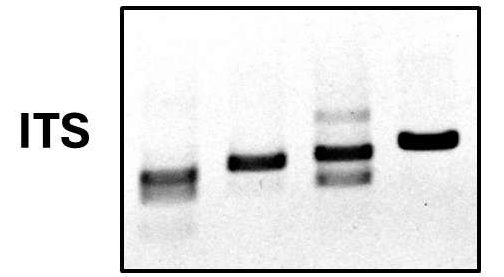
Quality DNA from crap samples – The importance of DNA quality in metabarcoding
From detecting probiotic organisms in fermented foods to assessing soil health, microbiome profiling is a critical component of research and development in food, beverage, agricultural, health, and environmental science. Microbiome profiling typically relies on DNA metabarcoding – where a region of the microbe genome that is highly variable between species is used as a means…
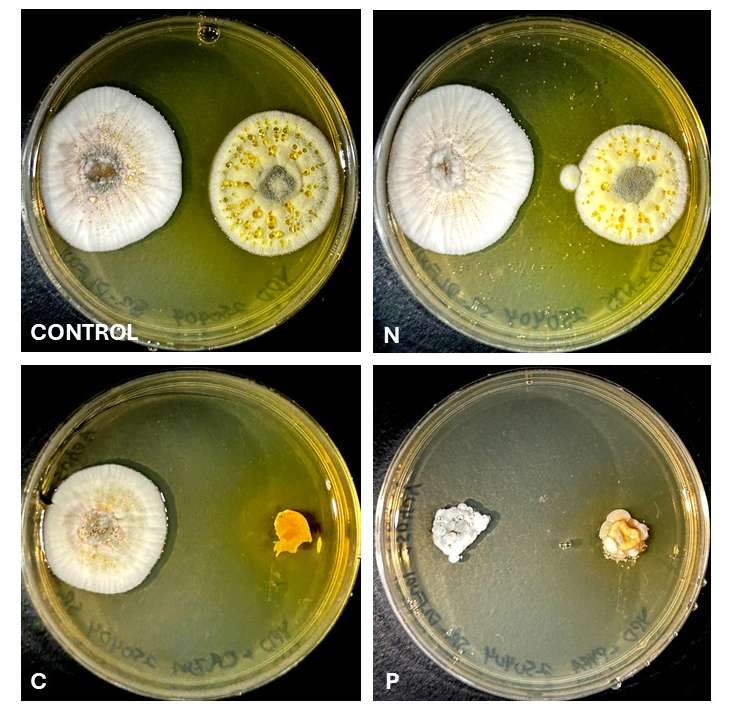
When fungi aren’t fun – Testing antifungal susceptibility
Fungal Contamination: The Challenge While fungi make significant contributions in many industries, their presence isn’t always welcome—particularly in propagation or micropropagation of plants in greenhouses or laboratories. When fungal contamination or disease occurs, selecting an appropriate antifungal compound is the next step. With so many antifungals available, and differences in susceptibility between strains and organisms,…

Microscopy in brewing: Applications and advantages
The microscope has long held a place as an important tool in the brewery. Proxima is taking the application of microscopy to the next level as part of our line of affordable and approachable brewing industry services. Read on to find out all the ways the microscope can add valuable information to your brewing operations….

Plasmid vectors: journey’s end
The end of a plasmid vector’s journey is purification and quantification. Reliable purification of high-quality plasmid vector DNA is straightforward using commercially available kits and a few extra tips. This, and an understanding of how to use UV-visual spectroscopy of DNA solutions to assess quantity and purity, will equip you with all the key skills to ensure quality plasmid vector DNA preparations.

The art in good science (Part I)
At Proxima our motto is “Perfecting the Art of Good Science”, but one of the perks of working at a biotech company with as many varied projects and capabilities as Proxima means we also get to enjoy the art IN good science. That’s why we’ve chosen to share some of the interesting images we’ve collected…
We love to talk science.
Contact Us For A Free Consult
Call or text: 306.370.0607
Unit 9, 2404 Thayer Ave Unit 9
Saskatoon, SK S7L 6B4
Newsletter sign up
Get Proxima Research and Development’s insights and commentary delivered to your inbox.